

preparing your hair for the winter months

As the nights get darker and the days get colder, the weather can take a toll on many things, including your hair. Winter weather and indoor heating strip moisture from the scalp and hair, leading to dryness, breakage and increased shedding. By giving your hair some TLC in the winter, you can avoid dry scalps and frizzy, dull and lifeless hair for the season.
Wash according to your scalp
Washing according to your specific scalp type in winter prevents the scalp barrier from drying out whilst still managing sweat, oil and fibre buildup. The cool outdoor air and dry indoor heat pull moisture straight from the skin and when your scalp dries out, it overcompensates by producing excess sebum, leaving roots greasy and the ends brittle. Tailoring your wash routine to your scalp will stop the flaking caused by winter dryness, it will also stop hair strands from becoming weak, dull or static-prone. In the winter, opt for gentle formulas like sulphate-free shampoos to clean the roots without drying out the skin.
Make hats work with the cut
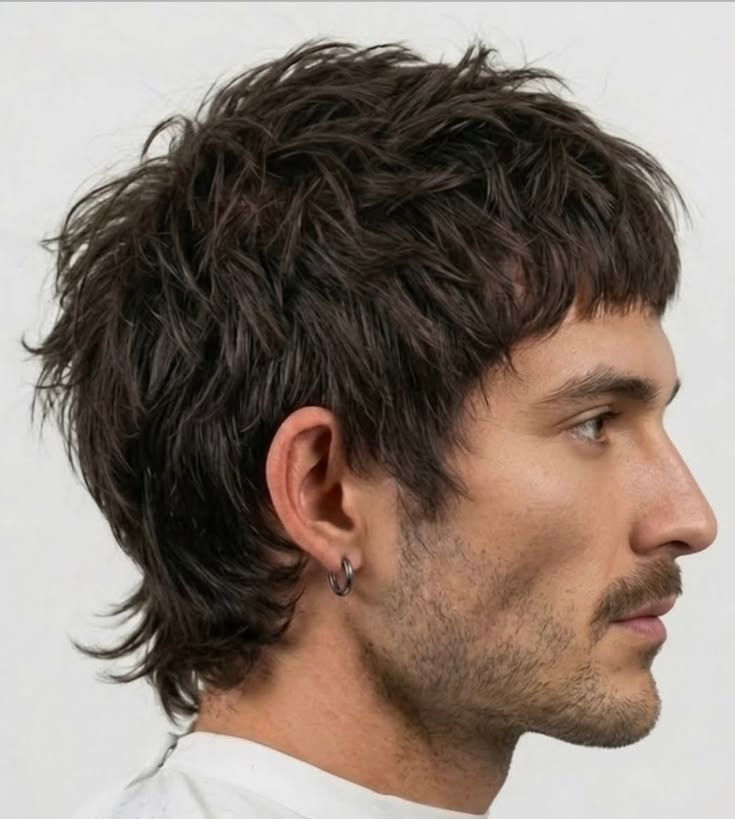
As the days get colder, hats often become part of our daily outfits. Aligning your winter haircut with how you wear your hats prevent flat spots, reduces friction damage and keeps your style looking sharp. Shorter sides, like a fade or crop, keep hair from bunching up uncomfortably under a tight beanie or cap and leaving the top slightly textured rather than heavily stiffened with gel stops hats making awkward, immovable dents. When you take off your hat indoors, a structured cut bounces back naturally instead of looking matted to your head. For styling, skip the heavy gels and use a light matte past or sea salt spray instead so the hair remains flexible under pressure.

Condition well
To restore vital moisture that is often lost during winter, ensure to add a deep conditioner to your washing routine. Freezing outdoor air strips natural oils from the scalp and hair shaft. By conditioning well, it helps prevent breakage and makes the hair more flexible, meaning it bends rather than snaps under friction from winter beanies. You can even incorporate a leave-in treatment to your routine if hair has become especially damaged, these are left in the hair for longer and have a thicker formula, locking in moisture.
Get regular trims
Regular trims during the winter can stop split ends from travelling up the hair shaft that is often caused by the dry indoor heat. Trims remove these weak spots before any structural damage is caused. They can also help maintain your styles shape as hats and scarfs can flatten the hair and make styles look uneven, a fresh trim keeps short cuts, fades and longer layers balanced and polished. Trimmed off damaged, brittle ends also gives the hair a smoother, cleaner look – perfect for those winter parties!


Comments